
INGREDIENT AND SERVICE GUIDE
How to Read a Herbal Tea Label
A tea name can describe a flavour, a tradition or a marketing idea. It does not tell you everything in the packet. A useful comparison begins with the ingredients, the form of the blend and the amount being sold. This guide explains those differences without turning a tea into a treatment or recommending a personal routine.
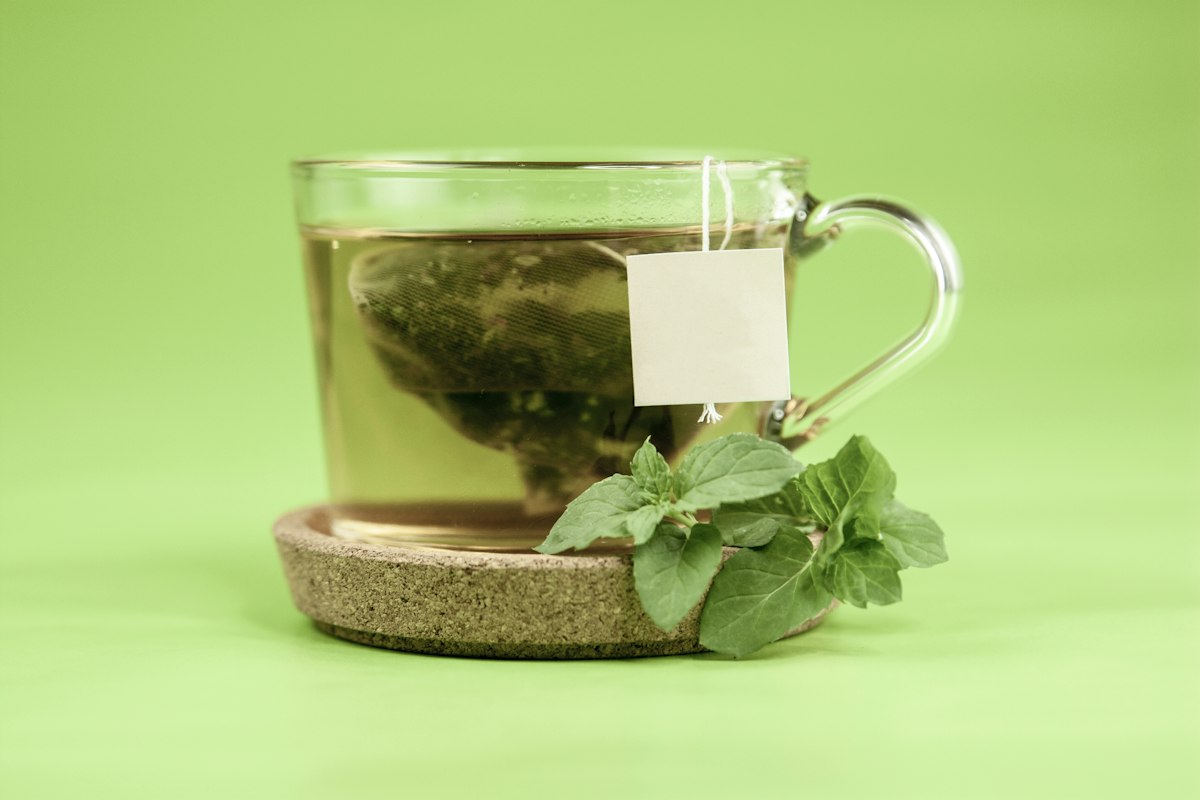
Editorial photograph, not a MyHerbHouse product. Photo by Laårk Boshoff on Unsplash.
Start with the actual ingredients
Two blends can share a front-of-pack name while containing different plants. Read the complete ingredient list rather than treating the name as a recipe. A single-botanical blend and a mixture of several botanicals are different compositions. If a description mentions mint, ginger or another plant but no complete list is available, the composition is still incomplete information—not something a photograph can resolve.
Separate a plant name from a product format
Leaves, roots, seeds and other plant parts can appear in botanical products. The part used matters to the product’s identity, even when the everyday name looks familiar. A loose-leaf infusion, a capsule and a liquid extract are also different formats. Sharing a botanical name does not make them interchangeable. Keep format and full composition alongside the name when comparing two descriptions.
Compare contents before comparing pack counts
A pouch, sachet box and gift set describe packaging, not equivalent amounts. Record the net contents and how the blend is presented. A larger number of sachets does not by itself establish more botanical material or a better product. For a mixed set, check the information for each component rather than assuming that one description covers everything inside.
Look for the practical information that belongs to that packet
Ingredient and allergen information, the responsible business, net quantity and storage or date information are practical label fields to look for. The European Commission’s food-information material explains the wider framework for food labels; it does not certify any MyHerbHouse formula. If a label or supplier description is missing, mark that gap rather than borrowing the details from another brand.
Keep the product name separate from a health claim
Words on a package can suggest an outcome without establishing one. A disease-related blend name is not evidence that the tea diagnoses, prevents or treats that condition. This page evaluates the information supplied about a blend, not its suitability for an individual. A qualified professional should handle personal health or interaction questions; this guide supplies no treatment or dosage instructions.
Where MyHerbHouse stands
MyHerbHouse’s range is in development, and final blends, labels, prices and availability will be shared at launch. The most useful comparison is always against the final product label, not a competitor’s packet.
Sources and scope
European Commission — Food information to consumers
The sources support the stated information. This guide provides general information, not personal medical advice, dosing or treatment instructions.
Continue exploring
A Botanical Collection, Organized by Format · Eight Oral-Strip Families, Clearly Separated · Herbal teas